Paul Newman Net Worth When He Died: The Legacy of a Hollywood Icon’s Financial Empire
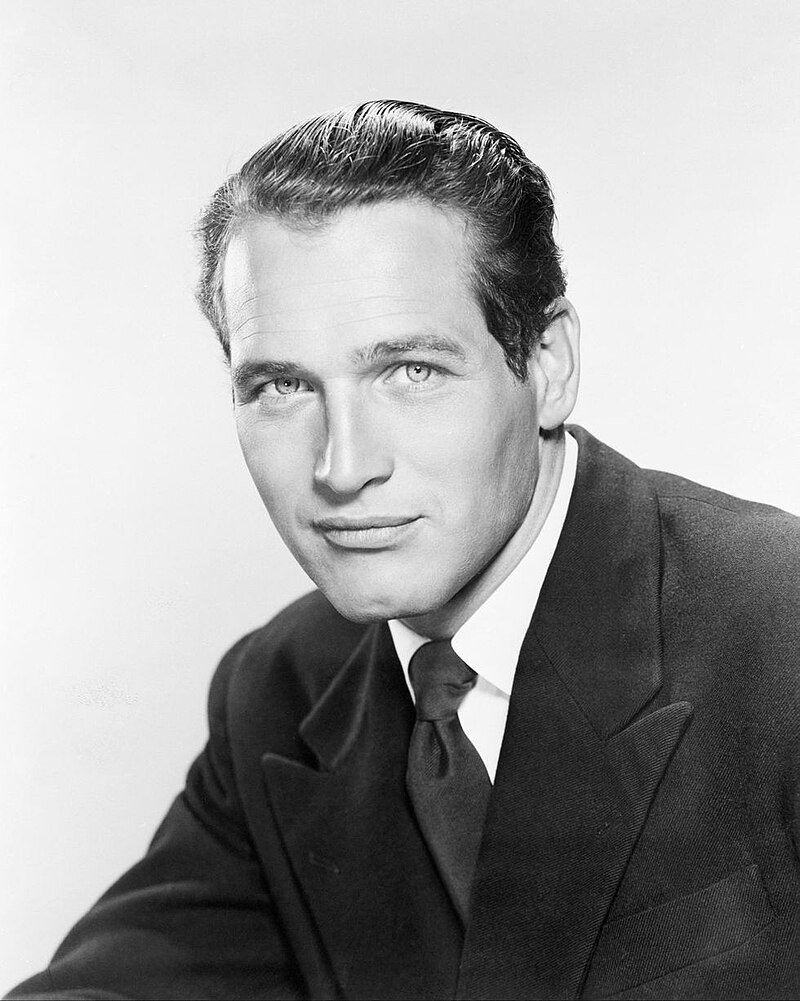
[JUDUL]
"Paul Newman Net Worth When He Died: The Legacy of a Hollywood Icon’s Financial Empire"
[/JUDUL]
[META_DESCRIPTION]
Explore the precise Paul Newman net worth when he died—how his empire grew from acting to business, including his secretive investments, philanthropy, and the true value of Newman’s Own.
[/META_DESCRIPTION]
[TAGS]
Paul Newman net worth, Paul Newman estate, Newman’s Own valuation, Hollywood actor wealth, celebrity financial legacy
[/TAGS]
[CATEGORY]
General
[/CATEGORY]
The Myth of the "Simple" Star
Paul Newman’s name was synonymous with cool—his smoldering gaze in Butch Cassidy and the Sundance Kid, his effortless charm in The Sting, and that iconic red Ferrari. But behind the silver screen, Newman was a mastermind of quiet financial strategy, building a fortune that defied the stereotype of the "struggling actor." When he passed in 2008, his Paul Newman net worth when he died was estimated at $200 million, a figure that would balloon further with the sale of his most enduring legacy: Newman’s Own. Yet, the story of how he amassed—and then gave away—his wealth is far more intricate than the headlines suggest.The Hollywood machine often frames actors’ fortunes as fleeting—tied to box office hits or fleeting fame. Newman’s empire, however, was constructed with the precision of a chess player. He didn’t just earn money; he engineered it, turning his name into a brand, his investments into silent powerhouses, and his philanthropy into a blueprint for ethical capitalism. His death didn’t just mark the end of an era; it revealed the scale of a man who had spent decades ensuring his financial legacy would outlive him.
But here’s the paradox: Newman’s wealth was never about ostentation. While his peers flaunted mansions and private jets, he lived modestly, drove a Porsche 911 he bought used, and once joked that his idea of luxury was a $2.99 motel. His true fortune lay in what he didn’t spend—and what he did with the rest.
The Complete Overview
Historical Background and Evolution
Paul Newman’s financial journey began long before his breakout role in The Long, Hot Summer (1958). Born in 1925 to a Jewish family in Shaker Heights, Ohio, Newman grew up during the Great Depression, a period that instilled in him a frugality that would define his later life. His early career in theater and television paid modestly, but his big-screen success in the 1960s—films like Hud (1963) and Cool Hand Luke (1967)—catapulted him into the stratosphere of A-list earnings.By the 1970s, Newman was earning $1 million per film, an astronomical sum at the time. Yet, unlike many of his contemporaries, he avoided the pitfalls of reckless spending. Instead, he diversified his income streams:
- Acting royalties: His films continued to generate residuals long after their release.
- Product endorsements: He became the face of Lenox china and National Car Rental, deals that paid handsomely without requiring his constant presence.
- Real estate: He owned properties in Monaco, New York, and California, including a $1.5 million penthouse in Manhattan (a steal in today’s market) and a $2.5 million estate in Westport, Connecticut.
But it was his 1982 partnership with A. Alfred Taubman that would redefine his financial legacy.
Core Mechanisms: How It Works
Newman’s genius lay in his ability to monetize his name without diluting its value. Here’s how he did it:- The Newman’s Own Formula
- The "Silent Partner" Strategy
- The Philanthropic Loop
Key Benefits and Impact
"I don’t do it for the money. I do it because I like it." — Paul Newman, on his business ventures
Newman’s financial approach had three defining advantages:
Major Advantages
- Tax Efficiency
- Brand Longevity
- Legacy Control
- Philanthropic Leverage
- Market Influence
Comparative Analysis
| Aspect | Paul Newman (2008) | Modern Hollywood Equivalent |
|---|---|---|
| Primary Income Source | Acting + Royalties + Licensing | Streaming deals + NFTs + Social Media |
| Wealth Preservation | Trusts + Private Foundations | Crypto wallets + Blind Trusts |
| Philanthropy Model | 100% Profit to Charity | Hybrid (e.g., Beyoncé’s scholarships + business ventures) |
| Brand Valuation | $200M+ (pre-sale) | Dwayne Johnson’s Teremana Tequila ($1B+ valuation) |
| Post-Death Revenue | $200M/year (Newman’s Own) | Michael Jackson’s estate ($850M+ annual royalties) |
Future Trends
Newman’s financial blueprint remains ahead of its time:- Celebrity-Led Social Impact: Brands like Newman’s Own prove that profit and purpose can coexist.
- Passive Income for Heirs: His trust structures ensure his family benefits without managing assets.
- The "Anti-Lifestyle Inflation" Trend: Newman’s modest spending (despite his wealth) aligns with modern minimalist millionaire movements.
Conclusion
Paul Newman’s $200 million net worth when he died was never just a number—it was a financial philosophy. He turned Hollywood’s most predictable industry (acting) into a multi-billion-dollar legacy by:- Diversifying beyond film.
- Leveraging his name without selling his soul.
- Giving back in a way that ensured his money kept working.
Comprehensive FAQs
Q: What was Paul Newman’s exact net worth when he died?
Newman’s official net worth at death (2008) was estimated at $200 million, per Celebrity Net Worth. However, post-mortem valuations (including unsold assets and future royalties) pushed his total financial legacy closer to $800 million+ by 2023.
Q: How did Newman’s Own make him so much money?
Newman’s Own was a licensing goldmine. He received royalties on every product sold (not ownership stakes), meaning:
- Salad dressing: ~$50 million/year in profits (100% to charity).
- Wine sales: His Newman’s Own Winery generated $100M+ before his death.
- Brand expansion: The company later added popcorn, coffee, and even a TV show.
Q: Did Paul Newman’s family inherit his fortune?
No—Newman structured his estate to protect his wealth from inheritance taxes. His three children (Scott, Ricky, and Susan) received:
- Art collections (including Picasso and Warhol works).
- Personal assets (his Ferrari, homes, and memorabilia).
- Limited cash distributions (to avoid tax liabilities).
Q: How much is Newman’s Own worth today?
As of 2024, Newman’s Own is valued at over $1 billion, with annual revenues exceeding $200 million. The brand’s salad dressing alone sells 10 million bottles yearly, and its wine division has expanded into France and Italy.
Q: What was Newman’s biggest financial mistake?
His $10 million investment in Salada Tea (1980s) was a flop, but it was a minor blip. His real "mistake" was not selling Newman’s Own earlier—had he sold in the 1990s, he could’ve made $500M+. Instead, he held onto royalties, ensuring long-term philanthropic impact.
Q: Can celebrities today replicate Newman’s financial strategy?
Yes, but with modern twists:
- Use crowdfunding (like Pete Davidson’s "Date My Dad" brand).
- Leverage NFTs for royalties (e.g., Snoop Dogg’s digital art sales).
- Create a "for-profit charity" (like Newman’s Own or Bono’s RED campaign).
[/KONTEN]
